
Vegetable juice and puree processing
Growing demand for vegetable juices and purées in an increasing number of markets reflects the booming worldwide interest in natural, healthy foods. Alfa Laval expertise extends from extraction to concentration via clarification or pulp control, providing purées and/or clear or cloudy concentrated juices. Carrots, beets and pumpkins are typical of the crops processed into such juices and purées.
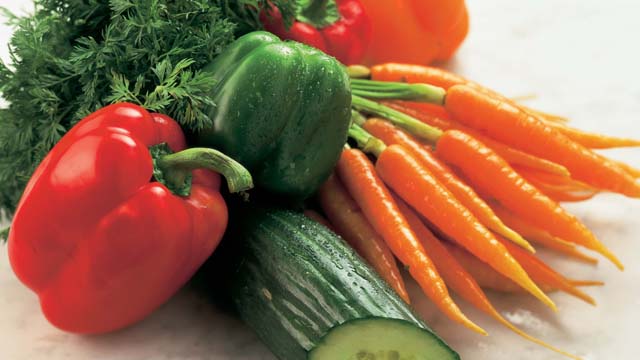
Alfa Laval supplies key equipment for processing cloudy juice into clear juice via clarification, concentration, sterilization and aseptic filling. Similar capabilities are available for the deaeration, sterilization and aseptic filling processes essential for making purée products derived from all kinds of root vegetables.
Among the Alfa Laval systems frequently used are ViscoLine tubular heat exchangers for heating the carrot mash, high-hygiene Foodec decanter centrifuges that extract the juice from mash as both first-stage and second-stage extraction, and AlfaVap rising film plate evaporators for rapidly condensing the product at low temperatures.
Other Alfa Laval equipment widely used in purée processing includes advanced membrane filtration and electric sterilization for the HTST process treatment, which is suitable for use with fouling, heat-sensitive and low-acid purées prior to filling and packaging.
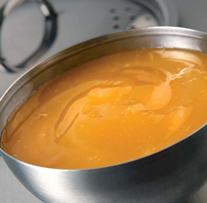 Carrot juice processing solutions
Wide variety
The carrot ranks as the second most popular vegetable worldwide after the potato, with hundreds of varieties cultivated to suit specific soil conditions, climates, and market preferences. This diversity in vegetable juice processing creates opportunities for processors to serve regional tastes while maintaining consistent quality standards.
For global consumer markets, carrots undergo transformation into multiple product formats: single-strength cloudy juice, concentrated cloudy juice for industrial applications, and smooth single-strength purée. Each format serves distinct market segments within the vegetable puree market, from ready-to-drink beverages to ingredient supplies for food manufacturers.
Preserving quality through controlled processing
Carrot juice demands meticulous attention throughout the puree process to maintain vibrant color and fresh flavor profiles. The relatively viscous nature and high fiber content of carrot-based products require specialized vegetable juice processing techniques that prevent degradation during extraction and concentration.
Processing methods vary based on pH levels: acidified carrot juice requires pasteurization, while neutral carrot juice undergoes UHT (Ultra-High Temperature) treatment for extended shelf life. Both approaches within vegetable juice processing ensure food safety without compromising the sensory characteristics consumers expect from premium fruit and vegetable drinks.
Specialized equipment and complete processing lines enhance both quality metrics and profitability for carrot juice production, addressing the unique challenges of this segment within the vegetable puree market.
Decanter centrifuge technology for maximum yield
Decanter centrifuges deliver exceptional performance in vegetable juice processing, producing juice with intense color and high yields from carrot mash. This industrial puree machine technology offers precise control over pulp content during production, enabling real-time adjustments to meet specific product specifications.
Key advantages include:
- Maximum carotenoid retention for nutritional value
- Adjustable pulp levels for texture control
- Superior extraction efficiency reduces raw material waste
- Inert gas system compatibility, preventing oxidation
Advanced control systems in modern decanters allow processors to optimize the puree process while maintaining consistent quality across production runs. Inert gas systems protect carrot juice color and taste during processing, preventing oxidative degradation that compromises product appeal in competitive fruit and vegetable drinks markets.
Essential equipment for carrot processing
Modern vegetable juice processing lines for carrots integrate multiple specialized systems to ensure optimal results: Tubular heat exchangers heat carrot mash efficiently while maintaining product integrity. These systems provide precise temperature control essential for preserving heat-sensitive nutrients and natural pigments during the puree process.
High-hygiene decanter centrifuges perform both first-stage and second-stage extraction, separating juice from mash with minimal product loss. This industrial puree machine technology operates continuously, maximizing throughput in commercial vegetable juice processing operations.
Rising film plate evaporators rapidly condense the product at low temperatures, preventing thermal degradation of delicate flavors and colors. This gentle concentration method is critical for maintaining the premium quality expected in fruit and vegetable drinks.
Additional equipment commonly deployed includes:
- Advanced membrane filtration for clarification
- Aseptic heat treatment systems for sterilization
- Automated filling equipment for packaging efficiency
Processing diversity in leafy vegetables
Multifunctional benefits
Leafy vegetables represent a category where leaves constitute the primary edible component, encompassing approximately one thousand edible plant species. Notable nutritional similarities and preparation methods exist across varieties like cauliflower, celery, and spinach, making standardized vegetable juice processing approaches highly effective.
Similar industrial puree machine equipment serves multiple leafy vegetable types, with resulting juices and purées frequently utilized as ingredients in blended fruit and vegetable drinks. This versatility enhances efficiency within vegetable juice processing facilities, allowing processors to serve diverse market segments with minimal equipment changes.
Maintaining nutritional integrity in leafy vegetables
Preserving nutritional value in juice and purée products from leafy vegetables requires extremely gentle processing under stringent controls. Cauliflower, celery, and spinach-based products demand precise handling throughout the puree process to retain vitamins, minerals, and phytonutrients.
Strict hygiene standards are non-negotiable in vegetable juice processing for leafy vegetables, as these products are particularly susceptible to microbial contamination. Temperature control, sanitation protocols, and rapid processing minimize degradation while ensuring food safety compliance.
Equipment solutions for leafy vegetable processing
Effective vegetable juice processing for leafy vegetables relies on specialized equipment designed to handle delicate plant materials: Decanter centrifuges enable precise control of suspended solids levels in juice before evaporation, allowing processors to adjust product consistency for different applications within the vegetable puree market. This control is essential when producing ingredient-grade purées for use in manufactured fruit and vegetable drinks.
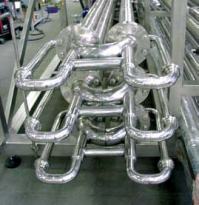
Tubular heat exchangers substantially increase heat transfer efficiency and controllability, enabling heating and cooling operations to proceed as gently as possible. This gentle thermal processing is critical for maintaining product quality in the puree process, particularly with heat-sensitive leafy vegetables that lose nutritional value under excessive thermal stress.
Root vegetable juice processing strategies
Gritty business
Root vegetables grown in soil present unique challenges in vegetable juice processing, with initial processing stages focusing on quickly and effectively removing soil, grit, and contaminants. Thorough cleaning is essential to prevent equipment damage and ensure product purity.
Equipment used for processing root vegetables into juice and purée products shares similarities with apple juice processing systems, particularly in washing, sorting, and initial extraction stages. This equipment overlap creates operational efficiencies for processors handling multiple product types in the vegetable puree market.
Product format options for root vegetables
For global consumer markets, a broad spectrum of root vegetables transforms vegetable juice processing into multiple commercial formats:
- Single-strength cloudy juice – ready-to-drink products with natural texture
- Concentrated cloudy juice – industrial ingredients for beverage manufacturing
- Single-strength purée – smooth products for direct consumption or blending
Reed beets can be processed into clear juice using advanced membrane filtration technology, a specialized application within the puree process that removes suspended particles while retaining flavor compounds and nutritional components. This versatility in product formats allows processors to maximize value from raw materials and serve diverse segments of the fruit and vegetable drinks market.
Clarification and concentration processes
Complete vegetable juice processing systems handle cloudy juice transformation into clear juice through clarification, concentration, sterilization, and aseptic filling. Each process stage plays a critical role in delivering shelf-stable products with optimal sensory characteristics.
Similar processing capabilities support deaeration, sterilization, and aseptic filling for purée products derived from all root vegetable varieties. Deaeration removes dissolved oxygen that would otherwise cause color degradation and off-flavors during storage, while aseptic filling ensures microbiological safety in finished fruit and vegetable drinks.
Managing viscosity and fiber in root vegetable products
Numerous technologies prove ideal for vegetable juice processing of juices and purées that are relatively viscous and high in fiber content. Root vegetables like carrots, beets, and pumpkins present rheological challenges that require specialized industrial puree machine solutions designed to handle suspended solids and maintain product homogeneity.
Effective processing approaches address fiber management throughout the puree process, from initial extraction through final packaging. Controlling fiber levels allows processors to meet specific product specifications for different market segments within the vegetable puree market, whether producing smooth purées for infant food or textured products for adult consumers seeking natural fruit and vegetable drinks.
Specialized equipment and complete processing lines enable processors to boost both the quality and profitability of juice products made from root vegetables, optimizing yields while minimizing waste and maintaining consistent standards across production runs.